Oct. 16, 2025
The skin of cities
From tiles to graffiti or mural art
As we walk daily through the streets of a city, we risk losing the ability to marvel. A hurried pace, a mind focused on schedules to keep, can prevent us from looking carefully around us.
Art present in public spaces has, among its particularities, the power to reclaim our attention and our sense of wonder.
It is not limited to museums or galleries — it lives on street corners, in squares, on walls worn by time. It is an art that is close to us, revealed to every distracted gaze and that, almost imperceptibly, transforms the way we feel the city. Lisbon, among many other cities in the country, thus becomes an open-air gallery where the past and present dialogue, and where each of us establishes an intimate and immediate relationship with the urban space we inhabit.
Many artists represented at the CPS have contributed to the beautification of Lisbon’s facades. We first focus on the tile panels, a centuries-old tradition dating back to the 16th century and still alive today.
#1 Errö
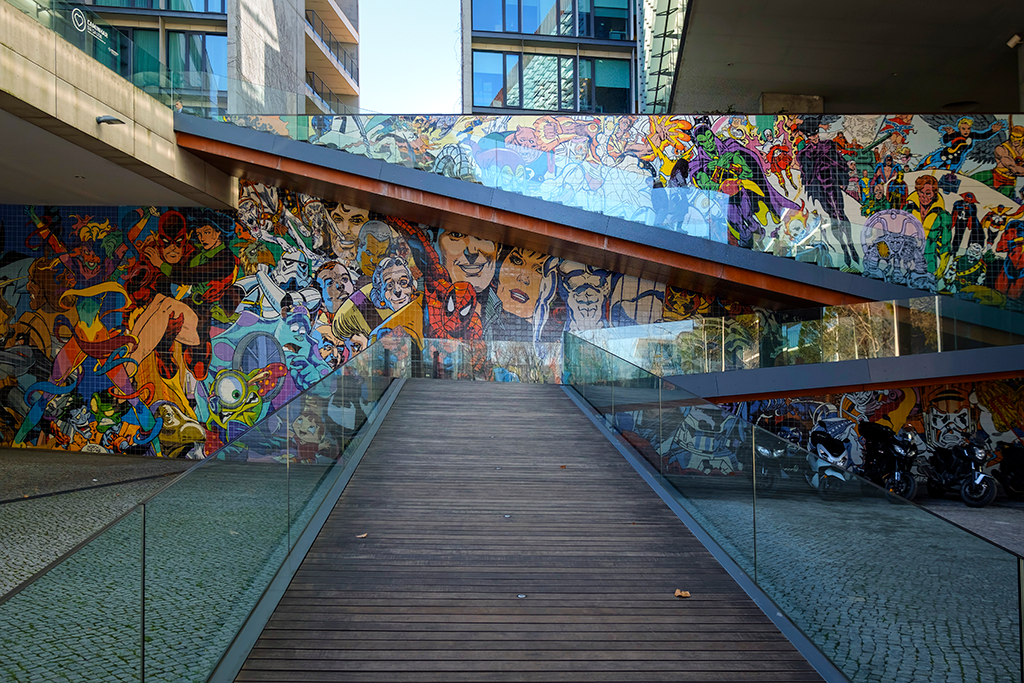
Panel by the Icelandic artist Errö at Vip Executive Art’s Hotel, Lisbon. Photo: António Azevedo/JFPN
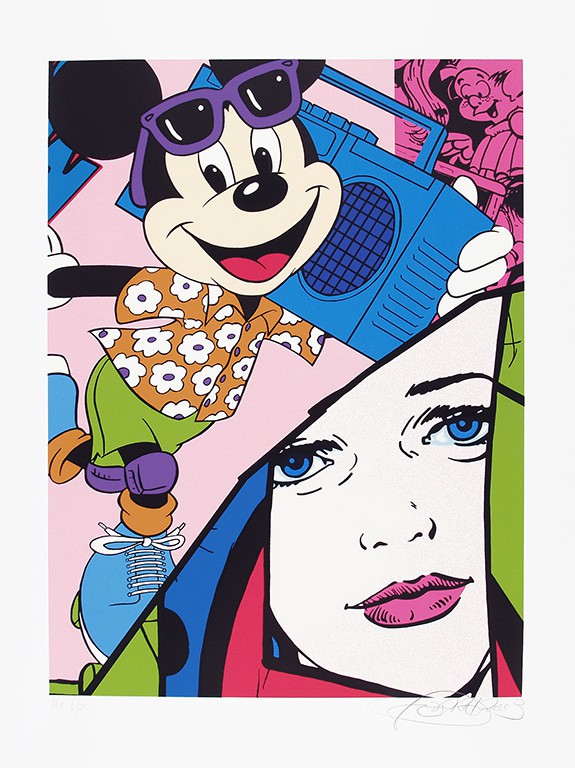
Errö, "Mickey", Screenprint, 70x100 cm, 200 copies
#2 Querubim Lapa
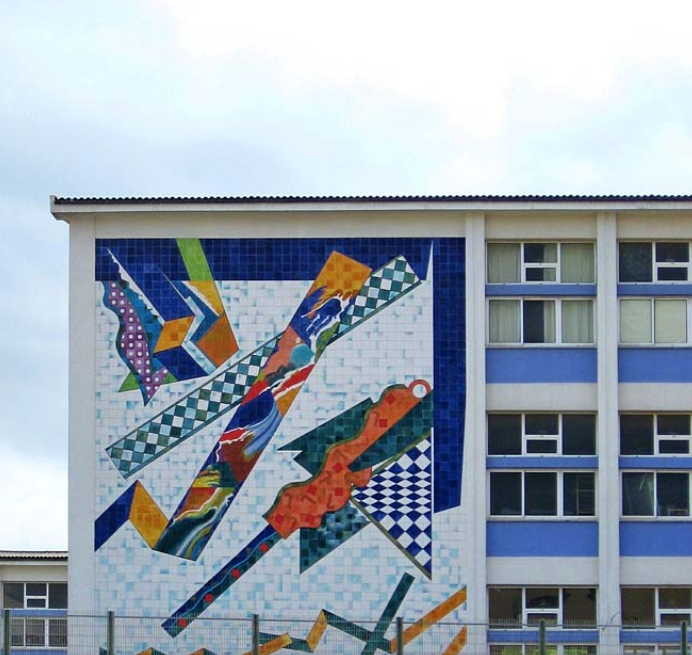
Tile panel by Querubim Lapa on the façade of António Arroio School, Lisbon

Querubim Lapa, "Street Vendors", Screenprint, 50x80 cm, 200 copies
#3 José de Guimarães

Panel by José de Guimarães, Carnide Metro Station, Lisbon
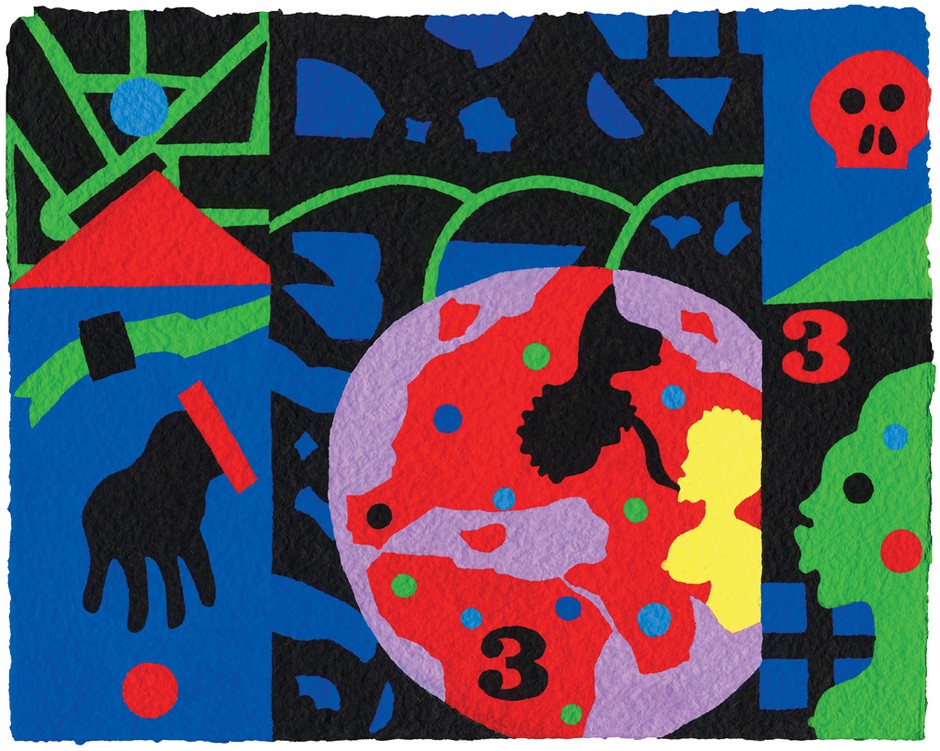
José de Guimarães, "So Much Was the Storm and the Will", Screenprint on handmade paper, 54 x 69 cm, 199 copies
#4 Eduardo Nery
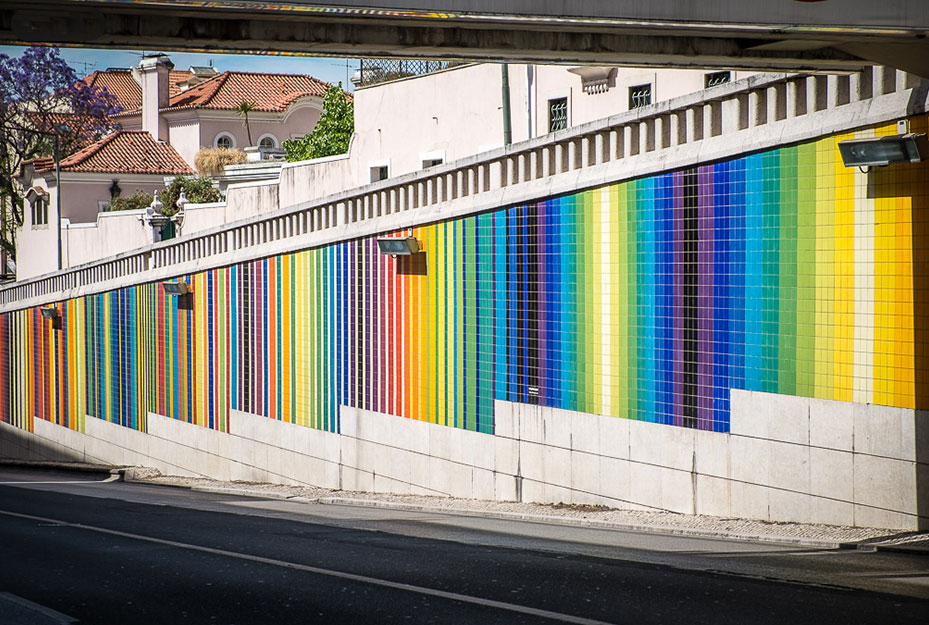
Tile panel by Eduardo Nery, Av. Infante Santo, Lisbon

Eduardo Nery, "Untitled", Screenprint, 56x76 cm, 50 copies
More recently, graffiti or mural expression has gained the status of art, leaving behind the marginal label it was once associated with. It appeared in urban spaces at the end of the 1960s (20th century) as counterculture in response to social issues and the constraints of the art market. Today, while sometimes retaining its biting character, it is a cherished form of art.
#5 Mário Belém
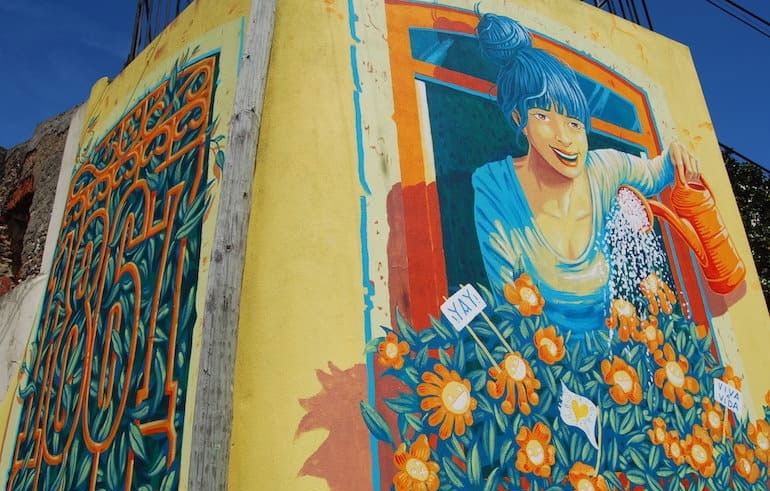
Mural by Mário Belém at Calçada de Santa Apolónia, Lisbon
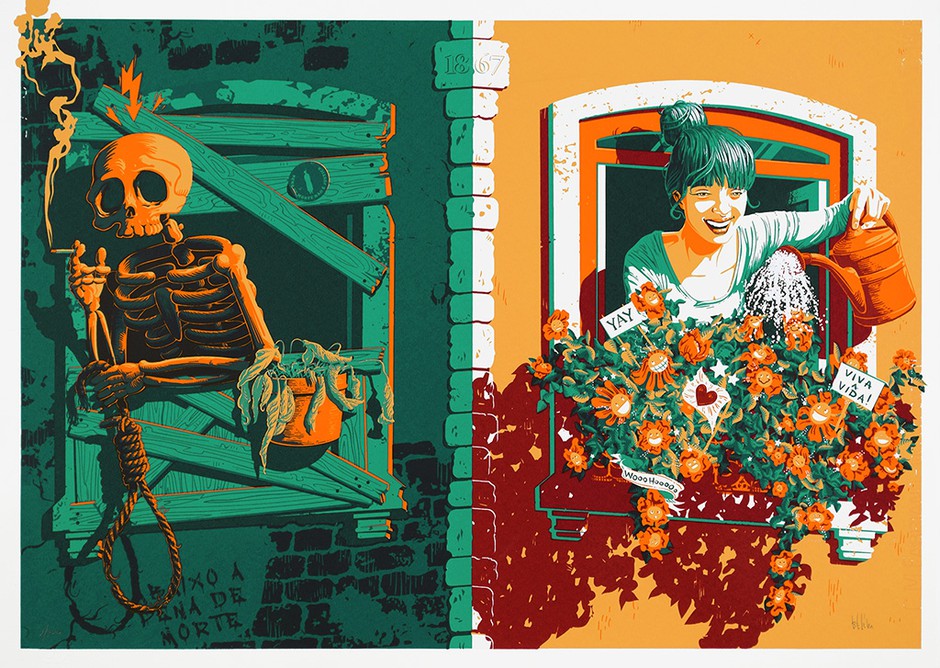
Mário Belém, "Long Live Life", Screenprint, 50x70 cm, 100 copies
Work created simultaneously with the mural at Calçada de Santa Apolónia, on the occasion of
the 150th anniversary of the abolition of the death penalty in Portugal
#6 Miguel Januário
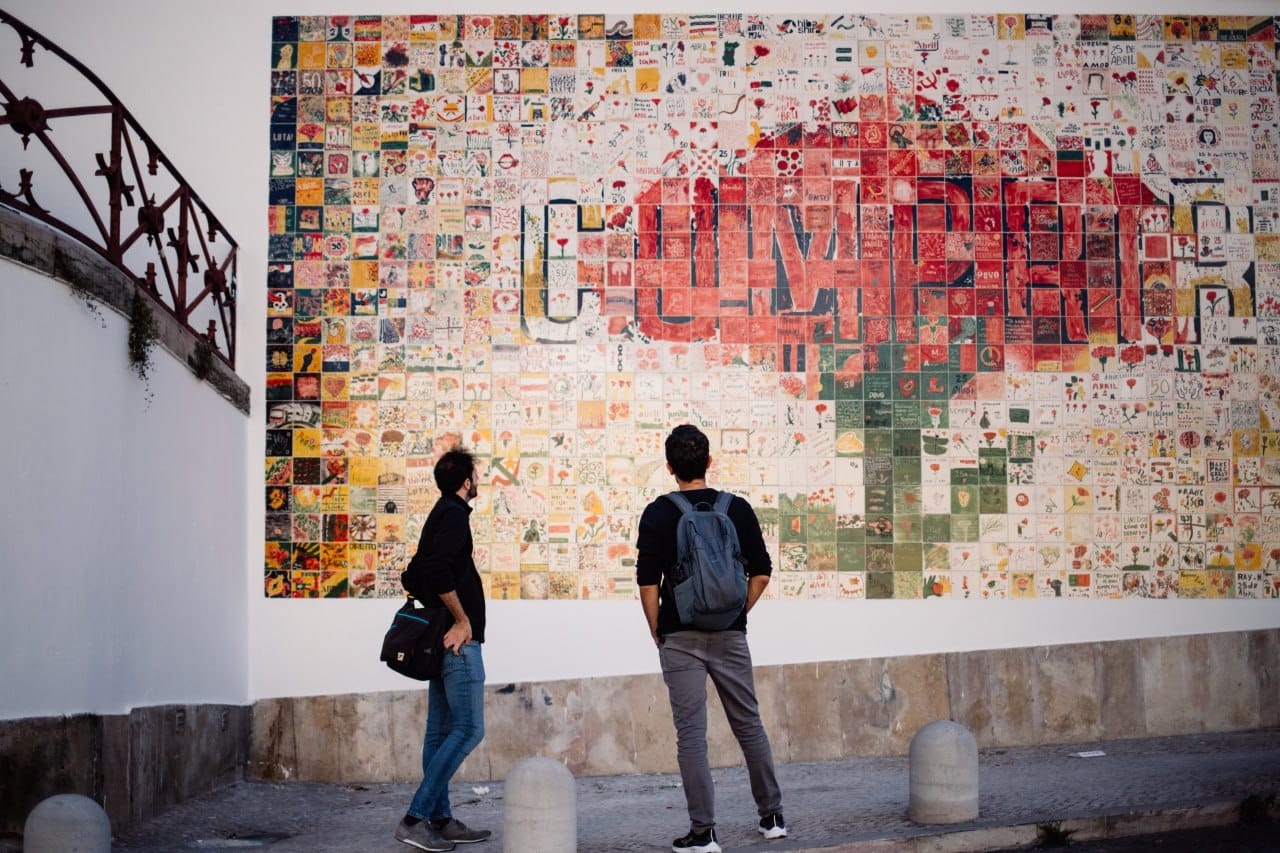
Mural "Fulfill April" by Miguel Januário, Calçada do Carmo, Lisbon
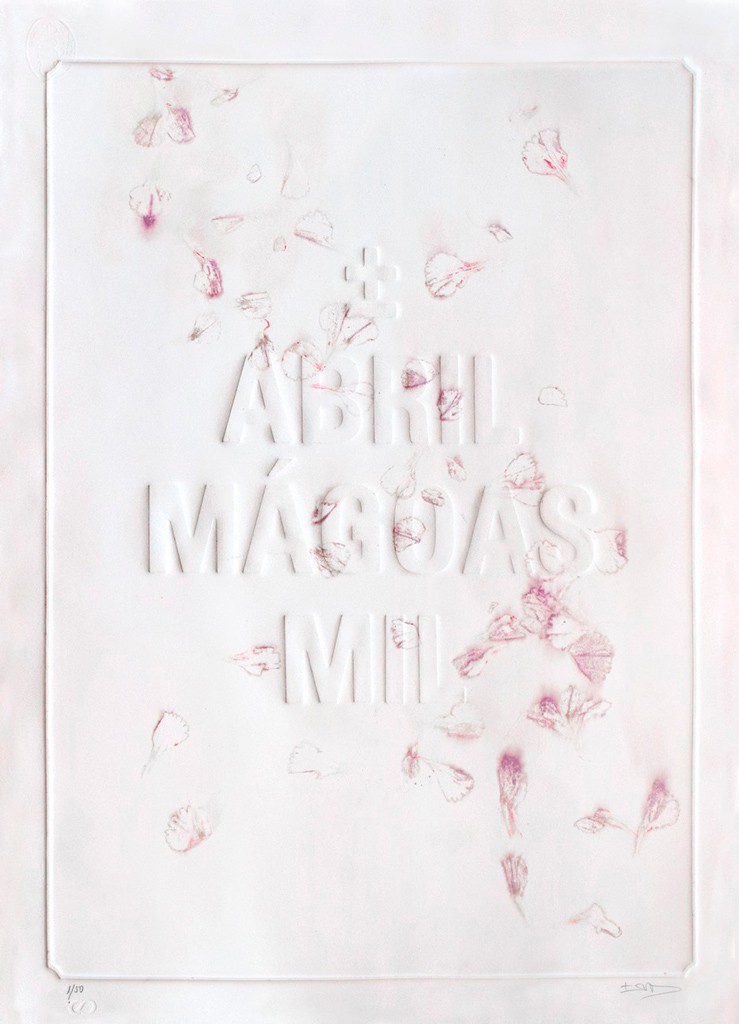
Miguel Januário, "April, a Thousand Sorrows", Intervened Woodcut, 76x56 cm, 50 copies
Special Edition – 50 Years of April 25th
#7 Gonçalo Mar
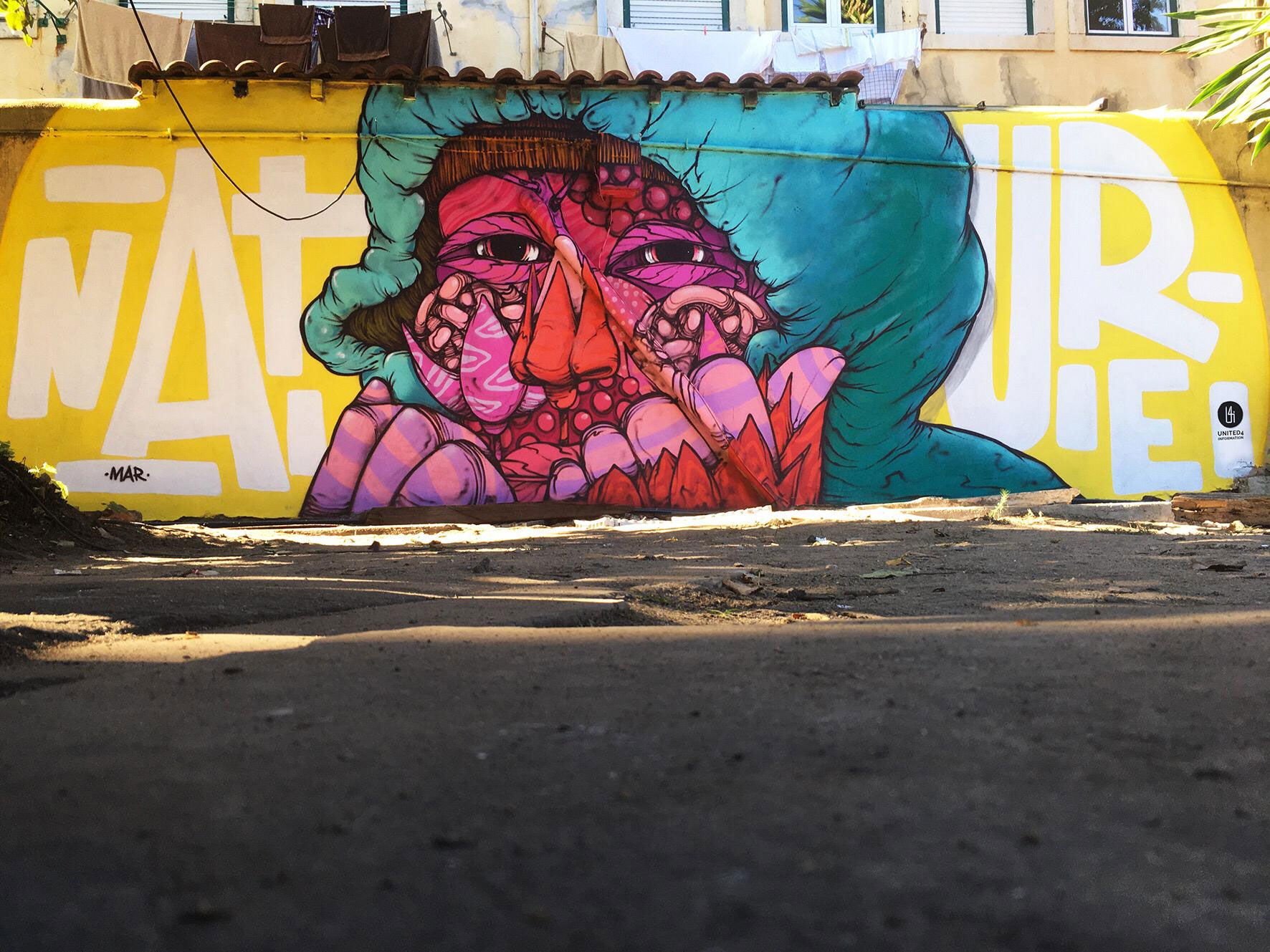
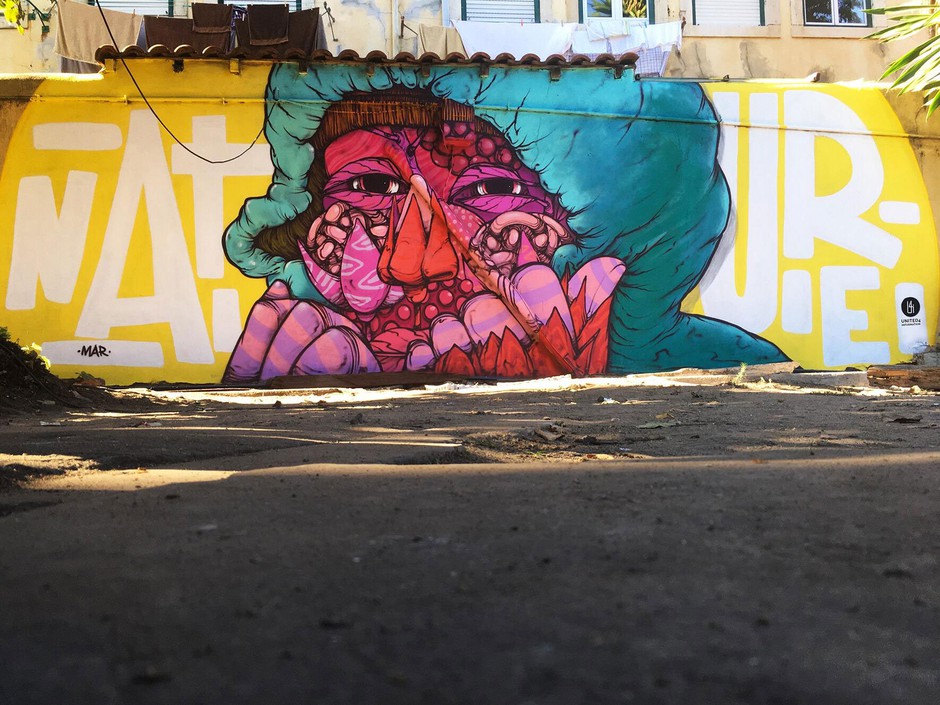
Mural "Nature" by Gonçalo Mar, at Lx Factory, Lisbon
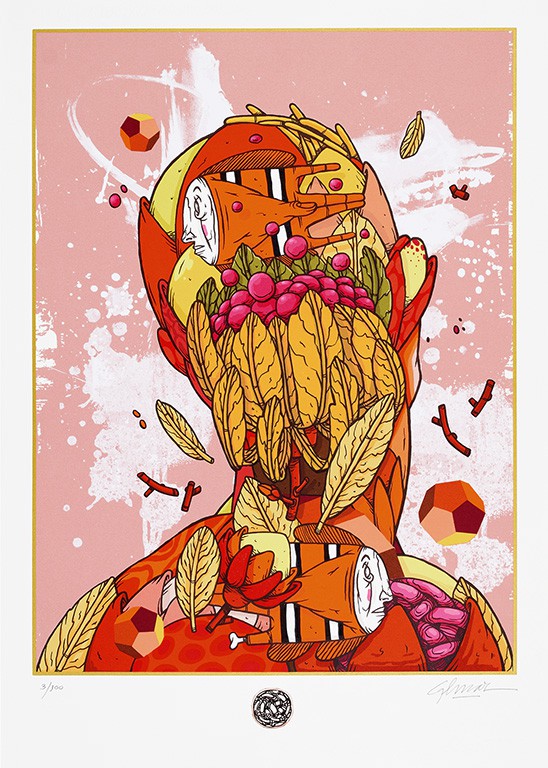
Gonçalo Mar, "Touristic Natures", Screenprint, 70x50 cm, 100 copies
#8 Maser
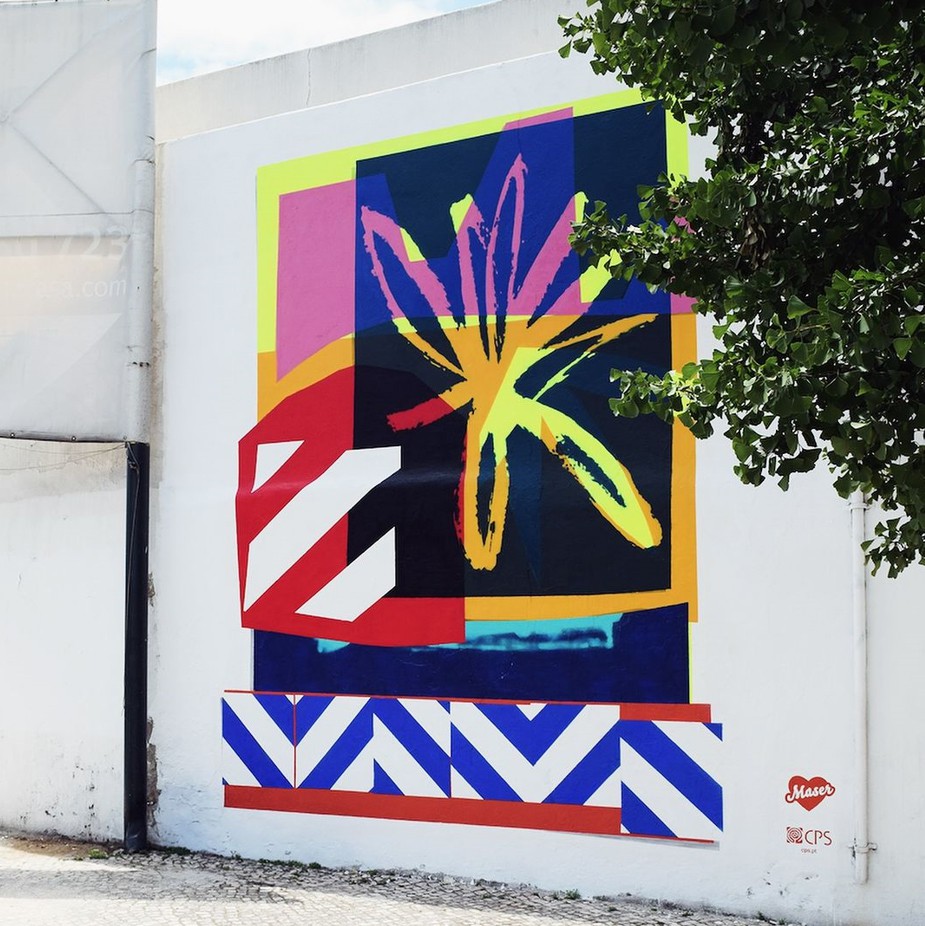
Mural by the Irish artist Maser, Av. Ceuta, Lisbon, created during the CPS residency
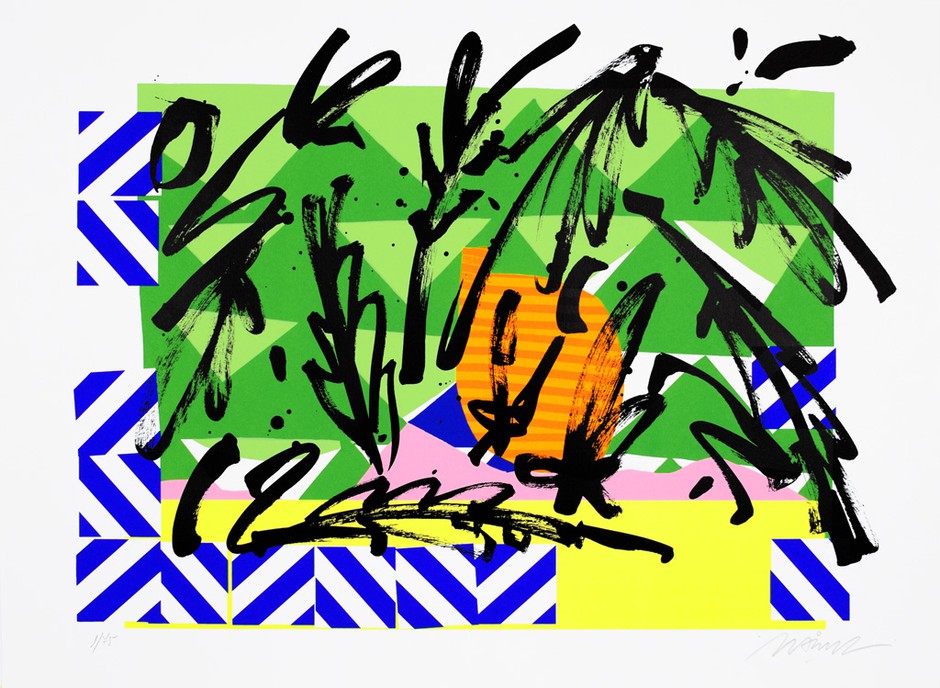
Maser, "Woven Tile and Leaf", Screenprint, 56x76 cm, 75 copies
Art has been working in public spaces to promote urban rehabilitation and regeneration as well as social engagement, allowing easy and democratic access to artistic works and even enabling community involvement in their creation.
Art creates spaces of beauty and leisure, while also opening opportunities for critical and reflective thinking for all who pass through and live with it.